|
|
's Wonderful (1955-56)
|
's Wonderful / Dancing In The Dark / Speak Low / Wagon Wheels / Sentimental Journey / Begin The Beguine / September Song / I Get A Kick Out Of You / Stardust / I'm An Old Cow Hand / Sometimes I'm Happy / That Old Black Magic |
|
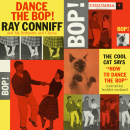 |
Dance The Bop! (1957)
|
Walkin' The Bop / The Drop / Just Boppin' / Doin' The Twister / The Flea Hop / Cross Over / Walkin' The Bop Again / Swingin' The Bop / Hand Around / Play A Gittar Solo / The Spinner / Honky-Tonk Rock Around |
|
|
|
's Marvelous (1957)
|
The Way You Look Tonight / I Hear A Rhapsody / They Can't Take That Away From Me / Moonlight Serenade / I Love You / I've Told Ev'ry Little Star / You Do Something To Me / As Time Goes By / In The Still Of The Night / Someone To Watch Over Me / Be My Love / Where or When |
|
|
|
's Awful Nice (1958)
|
Smoke Gets In Your Eyes / Lullaby of Birdland / June In January / I Cover The Waterfront / The Very Thought Of You / It Had To Be You / Paradise / April In Paris / That Old Feeling / Say It Isn't So / All The Things You Are / Lovely To Look At |
|
|
|
Concert In Rhythm (1958)
|
Theme from Tchaikovsky's First Piano Concerto / Theme from Swan Lake Ballet / Theme from Rachmaninoff's Second Piano Concerto / Theme from Tchaikovsky's Fifth Symphony / Theme from Ray Conniff Suite / Theme from Romeo And Juliet / Rhapsody In Blue / I'm Always Chasing Rainbows / The Lamp Is Low / Theme from Grand Canyon Suite / My Reverie / Schubert's Serenade |
|
|
|
Broadway In Rhythm (1958)
|
Oklahoma! / People Will Say We're In Love / The Surrey With The Fringe On Top / Oh, What A Beautiful Mornin' / Hello Young Lovers / Getting To Know You / I Whistle A Happy Tune / On The Street Where You Live / I Could Have Danced All Night / I've Grown Accustomed To Her Face / A Wonderful Guy / Bali Ha'i / Younger Than Springtime / Some Enchanted Evening |
|
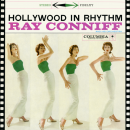 |
Hollywood In Rhythm (1958)
|
Love Is A Many-Splendored Thing / Thanks For The Memory / Easy To Love / Pacific Sunset / Cheek To Cheek / My Heart Stood Still / Please / Love Letters / Laura / Stella By Starlight / Yesterdays / It Might As Well Be Spring |
|
|
|
It's The Talk Of The Town (1959)
|
It's The Talk Of The Town / You're And Old Smoothie / Buttons And Bows / Let's Put Out The Lights / It's Been A Long, Long Time / Zip-a-dee-doo-dah / Deep In The Heart Of Texas / Love Is The Sweetest Thing / They Say It's Wonderful / Hands Across The Table / My Heart Cries For You / Rosalie |
|
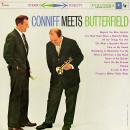 |
Conniff Meets Butterfield (1959)
|
Beyond The Blue Horizon / You Must Have Been A Beautiful Baby / All The Things You Are / Oh, What A Beautiful Mornin' / Time On My Hands / Something To Remember You By / What A Diff'rence A Day Made / South Of The Border / Can't We Be Friends / Rosalie / A Love Is Born / I Found A Million Dollar Baby |
|
|
|
Christmas With Conniff (1959)
|
Here Comes Santa Claus / Winter Wonderland / Rudolph, The Red-Nosed Reindeer / Christmas Bride / Sleigh Ride / What Child Is This? / Jingle Bells / Silver Bells / Frosty The Snowman / White Christmas / Santa Claus Is Comin' To Town / The Christmas Song |
|
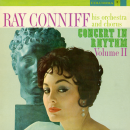 |
Concert In Rhythm, Vol. II (1959)
|
An Improvisation On "Liebestraum" / Yours Is My Heart Alone / None But The Lonely Heart / I'll See You Again / An Improvisation On "My Heart At Thy Sweet Voice" / An Improvisation On The Fibich "Poeme" / Warsaw Concerto / An Improvisation On Chopin's "Nocturne In E Flat" / An Improvisation On "Dance Of The Sugar Plum Fairy" / Favorite Themes From Tchaikovsky's Sixth Symphony ("Pathétique") / Favorite Themes From Grieg's A Minor Concerto / One Fine Day |
|
|
|
Young At Heart (1960)
|
Remember / You'll Never Know / Dancing With Tears In My Eyes / I'm In The Mood For Love / I'll Be Seeing You / It's Dark On Observatory Hill / These Foolish Things / Ma, He's Making Eyes At Me / Young At Heart / If I Loved You / Harbor Lights / I'll See You In My Dreams |
|
|
|
Say It With Music (1960)
|
Besame Mucho / Stranger in Paradise / Summertime / I've Got You Under My Skin / Too Young / Softly, As in a Morning Sunrise / Just One of Those Things / Deep Purple / Brazil / Night and Day / Temptation / Say It with Music |
|
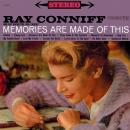 |
Memories Are Made Of This (1960)
|
Memories Are Made Of This / Tammy / Young Love / Three Coins In The Fountain / Moments To Remember / My Foolish Heart / Love Me Tender / Around The World / Love Letters In The Sand / Unchained Melody / Only You (And You Alone) / No Other Love |
|
|
|
Somebody Loves Me (1961)
|
Somebody Loves Me / Golden Earrings / You're The Cream In My Coffee / The Green Leaves Of Summer / Don't Fence Me In / I Only Have Eyes For You / The Thrill Is Gone / You'd Be So Nice To Come Home To / It Had To Be You / I Don't Want To Set The World On Fire / Moon Song / All Or Nothing At All |
|
|
|
So Much In Love (1961)
|
Autumn Leaves / Just Walking In The Rain / I Fall In Love Too Easily / My Heart Stood Still / Dancing On The Ceiling / Dancing In The Dark / I Wish I Didn't Love You So / Bewitched / Whatever Will Be, Will Be (Que Sera, Sera) / True Love / Chances Are / It's Not For Me To Say |
|
|
|
's Continental (1961)
|
The Continental / The Whiffenpoof Song / Beyond The Sea / Swing Little Glow Worm / The Poor People Of Paris / Strange Music / Tico-Tico / The White Cliffs Of Dover / African Safari / Morgen / Lisbon Antigua / Green Eyes |
|
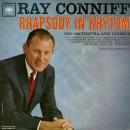 |
Rhapsody In Rhythm (1962)
|
Lady Of Spain / Beautiful Love / Moonlight And Roses / Love Walked In / Our Waltz / I Concentrate On You / Take Me In Your Arms / Malagueña / Imagination / Kiss Of Fire / To My Love / My Romance |
|
|
|
We Wish You A Merry Christmas (1962)
|
Jolly Old St. Nicholas / The Little Drummer Boy / O Holy Night / We Three Kings Of Orient Are / Deck The Hall With Boughs Of Holly / Ring Christmas Bells / Let It Snow! Let It Snow! Let It Snow! / Count Your Blessings (Instead Of Sheep) / We Wish You A Merry Christmas / The Twelve Days Of Christmas / The First Noel / Hark! The Herald Angels Sing / O Come, All Ye Faithful / We Wish You A Merry Christmas |
|
|
|
The Happy Beat (1962)
|
Volare / Gigi / The Yellow Rose Of Texas / Wheel Of Fortune / The Song From "Moulin Rouge" / Mack The Knife / I'll Walk Alone / Never On Sunday / Chanson D'amour / Blueberry Hill / Cry / My Prayer |
|
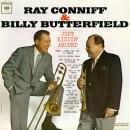 |
Just Kiddin' Around (1963)
|
Alexander's Ragtime Band / Louise / Heartaches / This Love Of Mine / When I Grow Too Old To Dream / You'll Never Know / Just Kiddin' Around / You Oughta Be In Pictures / Put Your Arms Around Me, Honey / Peg O' My Heart / But Not For Me / I See You Face Before Me |
|
|
|
You Make Me Feel So Young (1963)
|
You Make Me Feel So Young / My Old Flame / Patricia, It's Patricia / An Affair To Remember / Lullaby Of The Leaves / In The Cool, Cool, Cool Of The Evening / Caravan / Solitude / Third Man Theme / What Kind Of Fool Am I? / With My Eyes Wide Open, I'm Dreaming / Frenesi |
|
|
|
Speak To Me Of Love (1963)
|
Lover, Come Back To Me / Beyond The Sea / Don't Blame Me / Speak To Me Of Love / The Sweetest Sounds / This Nearly Was Mine / Smoke Gets In Your Eyes / Love Has No Rules / You'll Never Walk Alone / Under Paris Skies / Slow Poke / Who's Sorry Now |
|
 |
Friendly Persuasion (1964)
|
Tiger Rag / High Noon / Ebb Tide / So Rare / Song Of Love / April Love / June Night / Friendly Persuasion / Stompin' At The Savoy / I Understand / Shangri-La / Rose Room |
|
|
|
Invisible Tears (1964)
|
Invisible Tears / Honeycomb / Are You Lonesome Tonight? / I Walk The Line / S'posin / Oh Lonesome Me / Everybody Loves Somebody / Singing The Blues / Waitin' For The Evening Train / Kisses Sweeter Than Wine / Far Away Places / Marianne |
|
|
|
Love Affair (1964)
|
For All We Know / The Second Time Around / Just Friends / Love Is A Many-Splendored Thing / Chloe / Mam'selle / Try A Little Tenderness / Hi-Lili, Hi-Lo / Taking A Chance On Love / Three Coins In The Fountain / I'm Always Chasing Rainbows / Goodnight, Sweetheart |
|
 |
Music From Mary Poppins (1965)
|
A Spoonful Of Sugar / Chim Chim Cher-ee / Supercalifragilisticexpialidocious / Feed The Birds / Jolly Holiday / Pass Me By / The Sound Of Music / My Favorite Things / Climb Ev'ry Mountain / On The Street Where You Love / I've Grown Accustomed To Her Face / Dear Heart |
|
|
|
Here We Come A-Caroling (Ray Conniff's Christmas Album) (1965)
|
Here We Come A-Caroling / Silent Night, Holy Night / God Rest Ye Merry, Gentlemen / Away In A Manger / Joy To The World / Adoramus Te / The Real Meaning Of Christmas / Go Tell It On The Mountain / What Child Is This? / O Tannenbaum / It Came Upon The Midnight Clear / O Little Town Of Bethlehem |
|
 |
Happiness Is (1960-65)
|
Happiness Is / Midnight Lace (Part 1) / Miss You / Popsy / Melodie D'Amour / You Stepped Out Of A Dream / Jamaica Farewell / Blue Moon / If I Knew Then / The Sheik Of Araby / All By Myself / Sweet Sue, Just You |
|
 |
Ray Conniff's World Of Hits (1966)
|
Danke Schoen / The Shadow Of Your Smile / Hello, Dolly! / Midsummer In Sweden / More / Granada / Moscow Nights / Try To Remember / Alley Cat / Moon River / I Will Wait For You / Greenfields |
|
|
|
Somewhere My Love (1966)
|
Red Roses For A Blue Lady / Downtown / Charade / King Of The Road / Edelweiss / Young And Foolish / Somewhere, My Love / Days Of Wine And Roses / Tie Me Kangaroo Down, Sport / Wouldn't It Be Loverly / So Long, Farewell |
|
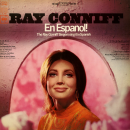 |
En Español! (1966)
|
Hi-Lili, Hi-Lo / Usted / Arriesgando En Amor / Eso Es Felicidad / Lagrimas Invisibles / Dias De Vino Y Rosas / El Amor Es Algo Maravilloso / Chao Chao / Mi Corazon / Todos Aman A Alguien / Rosas Rojas Para Una Dama Triste / Creemos En El Amor |
|
|
|
This Is My Song (1967)
|
This Is My Song / Mame / Sunrise, Sunset / Cabaret / Strangers In The Night / What Now My Love / My Cup Runneth Over / Winchester Cathedral / The World Will Smile Again / Georgy Girl / Born Free |
|
|
|
How To Save A Marriage And Ruin Your Life (1967)
|
Winds Of Change (vocal) / Winds Of Change (instrumental) |
|
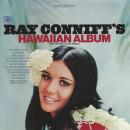 |
Ray Conniff's Hawaiian Album (1967)
|
The Hukilau Song / Blue Hawaii / Pearly Shells / To You Sweetheart, Aloha / One Paddle Two Paddle / Beyond The Reef / The Hawaiian Wedding Song / My Little Grass Shack In Kealakekua, Hawaii / Sweet Leilani / Tiny Bubbles / I Wish They Didn't Mean Goodbye |
|
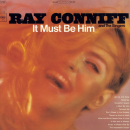 |
It Must Be Him (1967)
|
Music To Watch Girls By / Yesterday / Something' Stupid / It Must Be Him / A Man And A Woman / Release Me / There's A Kind Of Hush / What The World Needs Now Is Love / Don't Sleep In The Subway / Up, Up And Away / The Impossible Dream |
|
|
|
Honey (1968)
|
Honey / I Say A Little Prayer / The Look Of Love / Love Is Blue / Kiss Me Goodbye / Gentle On My Mind / By The Time I Get To Phoenix / Spanish Eyes / Theme From "Valley Of The Dolls" / Sounds Of Silence / Goin' Out Of My Head |
|
|
|
Turn Around Look At Me (1968)
|
Mrs Robinson / Angel Of The Morning / This Guy's In Love With You / Do You Know The Way To San Jose? / People / It Was A Very Good Year / Turn Around Look At Me / MacArthur Park / Can't Take My Eyes Off You / The Good, The Bad And The Ugly / Moon River |
|
|
|
I Love How You Love Me (1968)
|
Those Were The Days / My Special Angel / Harper Valley P.T.A. / I Love How You Love Me / Hold Me Tight / Wichita Lineman / Hey Jude / Sunny / Little Green Apples / Scarborough Fair / Canticle / Abraham, Martin And John |
|
|
|
Ray Conniff's Greatest Hits (1958-68)
|
's Wonderful [stereo re-recording] / Invisible Tears / Smoke Gets In Your Eyes / This Is My Song / Cabaret / Somewhere, My Love / Besame Mucho / Mame / On The Street Where You Live / Happiness Is / Memories Are Made Of This |
|
|
|
Live Concert In Stereo: Europa-Tournee '69 (1969)
|
Record 1: Schubert's Serenade / None But The Lonely Heart / Smoke Gets In Your Eyes / Besame Mucho / 's Wonderful / Born Free / Honey / Those Were The Days / Who's Sorry Now / Yours Is My Heart Alone / Brazil / Tea For Two / Warsaw Concerto |
|
Record 2: Volare / I'm Always Chasing Rainbows / Tin Roof Blues / Muskrat Ramble / Memories Are Made Of This (sing-along) / Mrs Robinson / Rhapsody In Blue / Deep In The Heart Of Texas / La Bostella / Oklahoma |
|
|
|
Jean (1969)
|
Love Me Tonight / A Time For Us / Love (Can Make You Happy) / The Windmills Of Your Mind / Aquarius / Let The Sunshine In / Jean / A Man Without Love / I'll Never Fall In Love Again / Spinning Wheel / The Power Of Love / Shadows Of The Night |
|
|
|
Concert In Stereo: Live At The Sahara/Tahoe (1969)
|
Record 1: Love Me Tonight / Smoke Gets In Your Eyes / Brazil / Honey / Those Were The Days / Somewhere My Love / Mrs Robinson / Besame Mucho / On The Street Where You Live / Oklahoma |
|
Record 2: Schubert's Serenade / Chopin's Nocturne In E Flat / Tea For Two / He's Got The Whole World In His Hands / It's So Nice To Have A Man Around The House / The Good, The Bad And The Ugly / Mack The Knife / Muskrat Ramble / South Rampart Street Parade / Mame & reprise (2 separate tracks?) / Reprise: Mame |
|
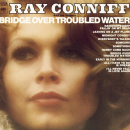 |
Bridge Over Troubled Water (1970)
|
Bridge Over Troubled Water / Everybody's Talkin' / Someone / I'll Never Fall In Love Again / Leaving On A Jet Plane / Honey Come Back / Something / Raindrops Keep Fallin' On My Head / Midnight Cowboy / All I Have To Do Is Dream / Early In The Morning |
|
|
|
We've Only Just Begun (1970)
|
Snowbird / Close To You / Look What They've Done To My Song, Ma / Everything Is Beautiful / Make It With You / Let It Be / I'll Be There / You Made Me So Very Happy / Everybody Knows / Candida / We've Only Just Begun |
|
|
|
Love Story (1971)
|
Love Story / Sweet Caroline / It's Impossible / Come Saturday Morning / For The Good Times / Watching Scotty Grow / Rose Garden / El Condor Pasa / If You Could Read My Mind / My Sweet Lord / For All We Know |
|
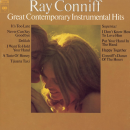 |
Great Contemporary Instrumental Hits (1971)
|
Happy Together / It's Too Late / I Don't Know How To Love Him / A Taste Of Honey / Never Can Say Goodbye / Conniff's Dance Of The Hours / Tijuana Taxi / Put Your Hand In The Hand / I Want To Hold Your Hand / Delilah / Superstar |
|
|
|
I'd Like To Teach The World To Sing (1971)
|
I'd Like To Teach The World To Sing / Baby, I'm A Want You / Gypsies, Tramps And Thieves / Theme From "Summer Of 42" / Go Away Little Girl / Brand New Key / I've Found Someone Of My Own / Imagine / An Old Fashioned Love Song / Hey Girl / Cherish |
|
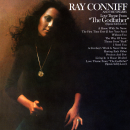 |
Love Theme From The Godfather (1972)
|
Love Theme From "The Godfather" / Hurting Each Other / A Horse With No Name / I Need You / Living In A House Divided / Precious And Few / Without You / A Cowboy's Work Is Never Done / The First Time Ever I Saw Your Face / Theme From 'Shaft' / The Way Of Love |
|
|
|
Alone Again (Naturally) (1972)
|
Alone Again (Naturally) / Song Sung Blue / Where Is The Love / The Happiest Girl In The Whole U.S.A. / The Candy Man / Because / Daddy Don't You Walk So Fast / Day By Day / Run To Me / Too Young / Brandy (You're A Fine Girl) |
|
|
|
I Can See Clearly Now (1972)
|
I Can See Clearly Now / If You Don't Know Me By Now / It Never Rains In Southern California / Ben / Summer Breeze / Clair / I Believe In Music / If I Could Reach You / Something's Wrong With Me / I Am Woman / I'd Love You To Want Me |
|
|
|
Charlotte's Web (1958-73)
|
Charlotte's Web / Hi-Lili, Hi-Lo / Chim Chim Cher-ee / The Sound Of Music / Zip-a-dee-doo-dah / A Spoonful Of Sugar / My Favorite Things / Getting To Know You / I Whistle A Happy Tune / Edelweiss / Supercalifragilisticexpialidocious |
|
|
|
Ray Conniff In Britain (1973)
|
On The Street Where You Live / Theme From "Shaft" / Brazil / Tie A Yellow Ribbon Round The Ole Oak Tree / Harmony / Say Has Anybody Seen My Sweet Gypsy Rose / Memories Are Made Of This (sing along) / Muskrat Ramble / Aquarius & Let The Sunshine In / Mame / Mack The Knife |
|
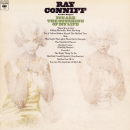 |
You Are The Sunshine Of My Life (1973)
|
You Are The Sunshine Of My Life / The Twelfth Of Never / Dueling Voices (Dueling Banjos) / Neither One Of Us / Sing / Peaceful / Tie A Yellow Ribbon Round The Ole Oak Tree / Killing Me Softly With His Song & There Was A Girl / The Right Thing To Do / The Night The Lights Went Out In Georgia / Bah Bah Conniff Sprach (Zarathustra) |
|
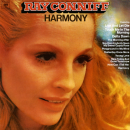 |
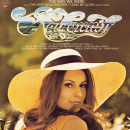
Harmony (1973)
|
Harmony / Playground In My Mind / The Morning After / Young Love / Live And Let Die / How Can I Tell Her / Say Has Anybody Seen My Sweet Gypsy Rose? / Yesterday Once More / Delta Dawn / Touch Me In The Morning / Here Today And Gone Tomorrow |
|
 |
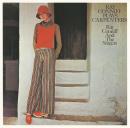
The Way We Were (1973)
|
The Most Beautiful Girl / Loves Me Like A Rock / Leave Me Alone / Paper Roses / Goodbye Yellow Brick Road / Who's In The Strawberry Patch With Sally? / The Way We Were / Photograph / Beyond Tomorrow / Top Of The World / Dear Father / Be |
|
 |
Ray Conniff Plays Carpenters (1970-74)
|
Yesterday Once More / I Won't Last A Day Without You / Top Of The World / Rainy Days And Mondays / For All We Know / Sing / Superstar/There Was A boy / We've Only Just Begun / Hurting Each Other / Bless The Beasts And Children / A Song For You / Close To You |
|
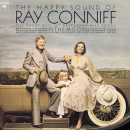 |
The Happy Sound Of Ray Conniff (1974)
|
I'll Be With You In Apple Blossom Time / You Made Me Love You / Don't Be That Way / When Mabel Comes In The Room / White Silver Sands / The Entertainer / Chattanooga Choo Choo / In The Mood / Half As Much / It's A Sin To Tell A Lie / Ecstasy |
|
|
|
Ray Conniff In Moscow (Рэй Коннифф В Москве) (1974)
|
Рэй Коннифф в Москве (Ray Conniff In Moscow) / Не спеши (Hurry Not) / Мелодия (Melody) / Маленький принц (A Little Prince) / Песенка крокодила Гены (The Song Of Gena's Crocodile or: A Song Of Ghena, Crocodile) / Кони-звери (Horses, The Beasts) / Московские окна (Moscow Windows) / Берёзовый сок (Birch Sap) / Счастливый день (A Happy Day) / Мгновения (Moments) / Я к тебе не вернусь (I'll Not Come Back To You) / Не повторяется такое никогда (It Will Never Repeat) |
|
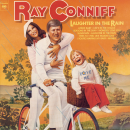 |
Laughter In The Rain (1974-75)
|
Laughter In The Rain / I Honestly Love You / Sundown / Angie Baby / Mandy / Seasons In The Sun / Eres Tu / Cat's In The Cradle / Feel Like Makin' Love / (You're) Having My Baby |
|
|
|
Original Soundtrack From Paper Tiger (1975)
|
Main Theme From "Paper Tiger" / My Little Friend [end titles] |
|
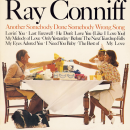 |
Another Somebody Done Somebody Wrong (1975)
|
My Eyes Adored You / The Best Of My Love / He Don't Love You (Like I Love You) / Lovin' You / Last Farewell / Another Somebody Done Somebody Wrong Song / My Melody Of Love / Only Yesterday / Before The Next Teardrop Falls / I Need You Baby |
|
|
|
Love Will Keep Us Together (1975)
|
Please Mr Please / Midnight Blue / Rhinestone Cowboy & Wildfire / Feelings / Theme from "Paper Tiger" (My Little Friend) / I'm Sorry / At Seventeen / Solitaire / Love Will Keep Us Together & How Sweet It Is (To Be Loved By You) |
|
|
|
Ray Conniff Plays The Beatles (1967-75)
|
Yesterday / I Want To Hold Your Hand / Michelle / Ob-La-Di, Ob-La-Da / And I Love Her / My Sweet Lord / Let It Be / Yellow Submarine / Something / Live And Let Die / Imagine / Hey Jude |
|
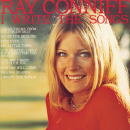 |
I Write The Songs (1975)
|
Begin The Beguine / My Little Town / The Hustle / I Only Have Eyes For You / Lyin' Eyes / Lara's Theme From 'Dr Zhivago' / The Way I Want To Touch You / Paloma Blanca / Our Day Will Come / I Write The Songs |
|
|
|
Ray Conniff Live In Japan (1975)
|
Record 1: I'll Be With You In Apple Blossom Time / In The Mood / Brazil / Chattanooga Choo Choo / Somewhere My Love / Theme from "Paper Tiger" (My Little Friend) / Tie A Yellow Ribbon Round The Ole Oak Tree / Memories Are Made Of This (sing-along) / Basin Street Blues / Smoke Gets In Your Eyes / Don't Be That Way / Oklahoma! |
|
Record 2: 's Wonderful / Laughter In The Rain / Only Yesterday / Say Has Anybody Seen My Sweet Gypsy Rose / Tin Roof Blues / South Rampart Street Parade / Aquarius / Let The Sunshine In / Mame / Hello Dolly / Mack The Knife / When The Saints Go Marching In |
|
|
|
Ray Conniff Presents… Vol. 1 (1967-75)
|
Record 1: Yesterday / I Want To Hold Your Hand / Michelle / Ob-La-Di, Ob-La-Da / And I Love Her / My Sweet Lord / Let It Be / Yellow Submarine / Something / Live And Let Die / Imagine / Hey Jude |
|
Record 2: Yesterday Once More / I Won't Last A Day Without You / Top Of The World / Rainy Days And Mondays / For All We Know / Sing / Superstar/There Was A boy / We've Only Just Begun / Hurting Each Other / Bless The Beasts And Children / A Song For You / Close To You |
|
|
|
Ray Conniff Presents… Vol. 2 (1967-75)
|
Record 1: What The World Needs Now Is Love / Do You Know The Way To San Jose? / Raindrops Keep Fallin' On My Head / The Look Of Love / I'll Never Fall In Love Again / Moon River / Charade / Days Of Wine And Roses / Dear Heart / Pink Panther |
|
Record 2: Scarborough Fair / Canticle / Mrs Robinson / Sounds Of Silence / El Condor Pasa / Bridge Over Troubled Water / Sweet Caroline / Song Sung Blue / Dear Father / Be / I Am I Said / Holly Holy |
|
|
|
Send In The Clowns (1976)
|
Theme From S.W.A.T. / Memories Are Made Of This / Lonely Night (Angel Face) / Vera's Theme / Fifty Ways To Leave Your Lover / Send In The Clowns / Moments To Remember / Do You Know Where You're Going To? / Love's Theme / All By Myself |
|
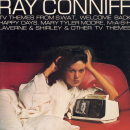 |
Theme From SWAT and Other TV Themes (1976)
|
Theme From Police Story / Happy Days / The Young And The Restless / Baretta's Theme / Welcome Back / Theme From S.W.A.T. / Love Is All Around / Mystery Movie Theme / Song From M*A*S*H / Making Our Dreams Come True |
|
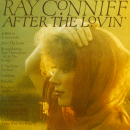 |
After The Lovin' (1976)
|
A Fifth Of Tchaikovsky / If You Leave Me Now / Rain On / Lowdown / Remembering You / After The Lovin' / Tara's Theme / Kiss And Say Goodbye / You'll Never Find Another Love Like Mine / Sorry Seems To Be The Hardest Word |
|
|
|
Exitos Latinos (Latin Hits) (1977)
|
Cidade Maravilhosa / Esclavo Y Amo / Abrazame / Mi Cafetal / A Distancia / Dama Latina / Cuando Calienta El Sol / Detalhes / Jamas / El Progreso (O Progresso) / Echame A Mi La Culpa |
|
|
|
Ray Conniff Plays The Bee Gees and Other Great Hits (1978)
|
Emotion / How Deep Is Your Love / How Can You Mend A Broken Heart / Save Me, Save Me / Night Fever / Stayin' Alive / I Just Want To Be Your Everything / Just The Way You Are / You Light Up My Life / Love Theme From 'A Star Is Born' (Evergreen) |
|
|
|
Ray Conniff En Venezuela (1969-79)
|
Besame Mucho / Brazil / Love Me Tonight / A Time For Us / Bridge Over Troubled Water / The Entertainer / My Eyes Adored You / Jean / Spinning Wheel / I'll Be There |
|
 |
I Will Survive (1979)
|
I Will Survive / Reunited / I Want Your Love / She Believes In Me / Practice Makes Perfect / If Not For You / Hallelujah / The Twenty-Third Psalm / Little Music Box Dancer / Love You Inside Out |
|
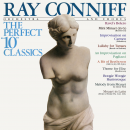 |
The Perfect 10 Classics (International) (1980)
|
Ravel's Bolero / Mini Minuet (In G) / Improvisation On Carmen / Lullaby For Tamara / An Improvisation On Pagliacci / A Bit Of Beethoven / Theme For Elise / Boogie Woogie Humoresque / Melody From Mozart / Mozart In Latin |
|
|
|
The Perfect 10 Classics (European) (1979-80)
|
Melody From Mozart / Mini Minuet (In G) / Improvisation On Carmen / Lullaby For Tamara / An Improvisation On Pagliacci / A Bit Of Beethoven / Theme For Elise / Boogie Woogie Humoresque / Excerpts From Beethoven's Moonlight Sonata / Mozart In Latin |
|
|
|
Exclusivamente Latino (1980)
|
Amigo / Chiquitita / Recuerdos (Lembranças) / Hey! / Pájaro Chogüi Boogie / Vereda Tropical / Exclusivamente Latino / El Día Que Me Quieras / Meu Querido, Meu Velho, Meu Amigo / La Bikina / Caminito / Ansiedad |
|
|
|
Siempre Latino (1981)
|
La Mucura / Adios / Cuando Sali De Cuba / Volver, Volver / Me Olvide De Vivir / Luna De Xelaju / A Media Luz / Di Papa / A La Antigua / De Niña A Mujer / La Guerra De Los Niños / Adelita |
|
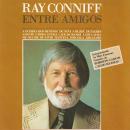 |
Entre Amigos (1977-81)
|
Lady Laura / Por Ella (Por Ela) / Me Olvide De Vivir / Manuela / Detalhes / De Niña A Mujer / Amante A Moda Antiga / La Guerra De Los Niños / Cafe Da Manhã / Abrazame |
|
|
|
The Nashville Connection (1981-82)
|
I Love You So Much It Hurts / Oh, Lonesome Me / Badly Broken Heart / Too Far Gone / We Had It All / La Chica Mas Linda / A Very Special Love Song / Touch My Heart / Smoke Gets In Your Eyes / As Time Goes By |
|
|
|
Musik für Millionen (1958-82)
|
Berliner Luft / Besame Mucho / In München Steht Ein Hofbräuhaus / Smoke Gets In Your Eyes / Meine Hohen Tannen / Schwarzwaldfahrt (A Walk In The Black Forest) / Hoch Auf Dem Gelben Wagen / Somewhere My Love / Ray's Muss I Denn... / If You Leave Me Now / La Montanara / Ich Hab' Mein Herz In Heidelberg Verloren |
|
 |
Amor, Amor (International) (1982)
|
Amor / Ven Con el Alma Desnuda / Don Diablo / Eternas Ondas / Apariencias (Aparências) / Háblame del Mar, Marinero / My Cha Chornia / Esa Triste Guitarra / Paraíso (Tema de) / Emociones (Emoções) / Cama y Mesa / Dueño de Nada |
|
|
|
Amor, Amor (Brazil) (1981-82)
|
Amor (wordless) / My Cha Chornia / Cama y Mesa / Paradise (Theme From) / Háblame del Mar, Marinero / Dueño de Nada / La Mucura / Emociones (Emoções) / Adios / Apariencias (Aparências) / A Media Luz / Eternas Ondas / Adelita |
|
|
|
Amor, Amor (Japan) (1982)
|
Amor (wordless) / Ven Con el Alma Desnuda / Don Diablo [instrumental] / Eternas Ondas / Apariencias (Aparências) / Háblame del Mar, Marinero / My Cha Chornia / Esa Triste Guitarra / Paradise (Theme From) / Emociones (Emoções) / Cama y Mesa / Dueño de Nada |
|
|
|
Fantástico! (International) (1983)
|
Caballo Viejo / Amiga / Gloria / Y ¿Cómo Es El? / Eso No / Fantástico / No Me Vuelvo A Enamorar / Como Tú / La Paloma / Ave María / Muito Estranho |
|
|
|
Fantástico! (Brazil) (1981-83)
|
Amiga / Ven Con el Alma Desnuda / Gloria / Muito Estranho / Eso No / Cuando Sali De Cuba / Caballo Viejo / Fantástico / No Me Vuelvo A Enamorar / Ave María / La Paloma / Volver, Volver / Y ¿Cómo Es El? / Don Diablo |
|
|
|
Supersónico (1984)
|
Supersónico / No Mismo Verao / Te Quiero Mas y Mas / Olvidame y Pega La Vuelta / O Amor E A Moda / El Tiempo Se Nos Va (Time Goes By) / El Africano / El Italiano / To All The Girls I've Loved Before / Perdidos En Paris (Due Come Noi) / Vamos A La Playa |
|
|
|
Campeones (1985)
|
Campeones / What's Love Got To Do With It / Leave A Tender Moment Alone / Hello / 99 Red Balloons / Wake Me Up Before You Go-Go / I Just Called To Say I Love You / Eu e Ela / Moonlight Lady / Besoin De Rien, Envie De Toi / El Padre Nuestro (The Lord's Prayer) |
|
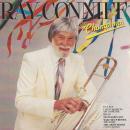 |
The Champions (Brazil) (1985)
|
Campeones / What's Love Got To Do With It / Leave A Tender Moment Alone / Hello / 99 Red Balloons / Wake Me Up Before You Go-Go / I Just Called To Say I Love You / Eu e Ela / Moonlight Lady / Besoin De Rien, Envie De Toi / The Lord's Prayer |
|
|
|
Say You Say Me (1985-86)
|
New York, New York / I Just Called To Say I Love You / Separate Lives / Leave A Tender Moment Alone / Say You, Say Me / That's What Friends Are For / Cherish / What's Love Got To Do With It / Hello / Everytime You Go Away |
|
|
|
30th Anniversary (1986)
|
La Cumparsita & Hernando's Hideaway / April In Portugal / Delicado / Vaya Con Dios / Amapola / Baia (Bahia) / Perfidia / Mona Lisa / The Peanut Vendor / Yours / Siboney |
|
|
|
Always In My Heart (1987)
|
Maria Elena / Ramona / Don't Cry For Me Argentina / La Violetera / La Vie En Rose / Fernando / Theme From "A Summer Place" / Valencia / Blowin' In The Wind / Adios Muchachos |
|
|
|
Always In My Heart (Club) (1987)
|
Maria Elena / Ramona / Don't Cry For Me Argentina / La Violetera / La Vie En Rose / Are You Lonesome Tonight / Theme From "A Summer Place" / Valencia / Blowin' In The Wind / Adios Muchachos |
|
|
|
Ray Conniff Interpreta 16 Exitos de Manuel Alejandro (1988)
|
Yo Soy Aquel / Cisne Cuello Negro, Cisne Cuello Blanco / Soy Rebelde / Detenedla Ya / Los Amantes / Te Estoy Queriendo Tanto / Señora / Lo Mejor De Tu Via / Cuando Tu No Estas / Hablame Del Mar Marinero / Como Yo Te Amo / Manuela / Que No Se Rompa La Noche / Paloma Brava / Dueño De Nada / Voy A Perder La Cabeza Por Tu Amor |
|
|
|
Ray Conniff Plays Manuel Alejandro (Brazil) (1988)
|
Yo Soy Aquel / Cisne Cuello Negro, Cisne Cuello Blanco / Soy Rebelde / Detenedla Ya / Los Amantes / Te Estoy Queriendo Tanto / Señora / Lo Mejor De Tu Via / Cuando Tu No Estas / Hablame Del Mar Marinero / Como Yo Te Amo / Manuela / Que No Se Rompa La Noche / Paloma Brava / Dueño De Nada / Voy A Perder La Cabeza Por Tu Amor |
|
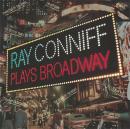 |
Ray Conniff Plays Broadway (1990)
|
Phantom Of The Opera / On My Own / One / All I Ask Of You / Lullaby Of Broadway / Memory / The Best of Times / The Music Of The Night / Anything Goes / Think Of Me |
|
|
|
's Always Conniff (1991)
|
New York, New York / Moonlight Serenade / In The Mood / Phantom Of The Opera / Memory / One / Anything Goes / Nocturne In E-Flat / Liebestraum / Somewhere My Love / Don't Cry For Me Argentina / Blowin' In The Wind / Smoke Gets In Your Eyes / Warsaw Concerto / Sing / Yesterday Once More / Top of The World / My Cha Chornia / The Music Of The Night / Let's Dance / Brazil / Brazil (reprise) / Mack The Knife / On The Street Where You Live / Brazil (reprise) and closing |
|
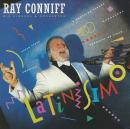 |
Latinisimo (1993)
|
O Canto Da Cidade / Magdelena / Es Demasiado Tarde / Burbujas De Amor / America / Vuela Vuela / La Bilirrubina / Por Ella (Por Ela) / Escandalo / Torero |
|
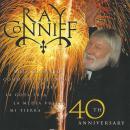 |
40th Anniversary (1995)
|
La Gota Fria / Sabor Sabor / Diosito Santo / Procuro Olvidarte / The Girl From Ipanema / Mujeres / Just Another Day / Ray's Nabucco / Boca Dulce Boca / Mi Tierra / Sangre Espanola / Como Abeja Al Panal / La Media Vuelta / Como Agua Para Chocolate / Tu Quieres Volver / Yours & La Paloma & Siboney & South of The Border |
|
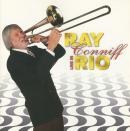 |
Live In Rio (1996)
|
New York, New York / Love Is A Many-Splendored Thing / Memory / One / Somewhere, My Love / Blowin' In The Wind / El Dia Que Me Quieras / Besame Mucho / Beyond The Sea / Tico Tico No Fuba (Tico-Tico) / Brazil / Cidade Maravilhosa |
|
|
|
I Love Movies (1997-98)
|
La Bamba / Streets Of Philadelphia / Beauty And The Beast / Oh, Pretty Woman / Dream A Little Dream Of Me / Star Wars / Colors Of The Wind / Chariots Of Fire / Can You Read My Mind / Don't Cry For Me, Argentina / Unchained Melody / Somewhere, My Love / My Heart Will Go On |
|
|
|
My Way (1998)
|
My Kind Of Town (Chicago Is) / The Second Time Around / New York, New York / My Way / The Way You Look Tonight / Young At Heart / You Make Me Feel So Young / All The Way / Mack The Knife / I've Got You Under My Skin / The Lady Is A Tramp / Strangers In The Night |
|
 |
's Country (1999)
|
Pense em Mim / Evidências / Estoy Enamorado / Festa de Rodeio / Luar do Sertão / É o Amor / Bem Te Vi / No Rancho Fundo / Bailão de Peão |
|
 |
's Christmas (1999)
|
Jingle Bells / Happy Xmas (War Is Over) / O Velhinho / Frosty The Snowman / Silver Bells / Sleigh Ride / The Real Meaning Of Christmas / Santa Claus Is Comin' To Town / Silent Night, Holy Night / White Christmas / What Child Is This? / O Tannenbaum / The First Noel / Hark! The Herald Angels Sing / O Come, All Ye Faithful / We Wish You A Merry Christmas |
|
|
|
Do Ray Para o Rei (2000)
|
Lembranças / Nossa Senhora / Amigo / Emoções / Meu Querido, Meu Velho, Meu Amigo / Café da Manhã / Detalhes / Cama e Mesa / A Distância / Lady Laura / Amiga / O Amor e a Moda |
|
|
|
The Essential Ray Conniff (1956-1998)
|
Disc 1: 's Wonderful / Walkin' And Whistlin' / The Way You Look Tonight / Theme from Tchaikovsky's First Piano Concerto / Theme from Ray Conniff Suite / Smoke Gets In Your Eyes / South Of The Border / What Child Is This? / Warsaw Concerto / Brazil / Midnight Lace (Part 1) / Memories Are Made Of This / African Safari / Sweet Sue, Just You / Blue Moon / Invisible Tears / Happiness Is |
|
Disc 2: Hello, Dolly! / Somewhere, My Love / Seventeen / Winds Of Change (vocal) / Tiny Bubbles / A Banda / A Time For Us / The Power Of Love / Love Story / With Every Beat Of My Heart / I'd Like To Teach The World To Sing / Love Theme From "The Godfather" / Someone / Harmony / Love Theme From An X-Rated Movie / Theme from "Paper Tiger" (My Little Friend) / New York, New York |
|
|
|
The Singles Collection, Volume 1 (1963-74)
|
How Am I to Know / Wonderful Season Of Summer / It Takes Two / Games That Lovers Play / Moonlight Brings Memories / We're A Home / A Certain Girl / Look Homeward Angel / I've Got My Eyes On You / Dear World / Love Made A Fool Of Me / La Felicidad / These Are My Flowers / Songs Are For Lovers / Half And Half / A Walk In The Spring Rain / Loss Of Love / Rosa (Rose Nel Buio) / Out Of The Darkness / Where Were You / We Must Forget We Ever Met / Sleepy Shores / Face On The Wind / A Man Without A Vision / Sing Along Song / I Understand Just How You Feel |
|
|
|
The Singles Collection, Volume 2 (1957-86)
|
Cuddle Up A Little Closer / The Ritz Roll And Rock / Melody For Two Guitars / Symphony Of Love / They Tried To Tell Me / Lookin' For Love / And This Is My Beloved / The World Looks Good Again / Winds Of Change (vocal) / My Tani / Song Of The Islands / Tin Roof Blues / Muskrat Ramble / La Bostella / Listen To Your Heart / Charlotte's Web / Hands Of Love / What'll I Do / Frost Festival / My Little Friend (Japanese Version) / My La Lady / Melody / Land Of Make Believe / Are You Lonesome Tonight |
|
|
|
The Singles Collection, Volume 3 (1957-86)
|
Three Way Love / Ann's Theme / Steel Guitar Rock / Finesse / Park Avenue Beat / Let's Be Grown Up Too (Grown Up Words) / Midnight Lace (Part II) / Man From Mars / Wednesday's Child / Seventeen / Winds Of Change (instrumental) / A Banda / Je t'aime… Moi Non Plus (Love At First Sight) / With Every Beat Of My Heart / The Free Electric Band / Half-Breed / All I Know / It's Only A Paper Moon / I Will Follow Him / Your Book / On The Run / Love Theme From An X-Rated Movie / She Loves To Hear The Music / Jackie Blue / Never Gonna Fall In Love Again |
|